



Understanding plant metabolism toward regenerative applications in agriculture, health care, and biomaterials
Plants sustain life on Earth and hold immense potential to address some of our most urgent challenges, including food security, climate resilience, and renewable manufacturing. To survive and thrive in dynamic environments, plants produce a remarkable array of natural products - small molecules that mediate growth, stress adaptation, and ecological interactions. Among these, terpenoid metabolites represent the largest class, with essential roles in protecting plants against diseases and environmental stress, while also serving as valuable sources of pharmaceuticals, flavors, fragrances, biofuels, and other bio-based products central to modern society.
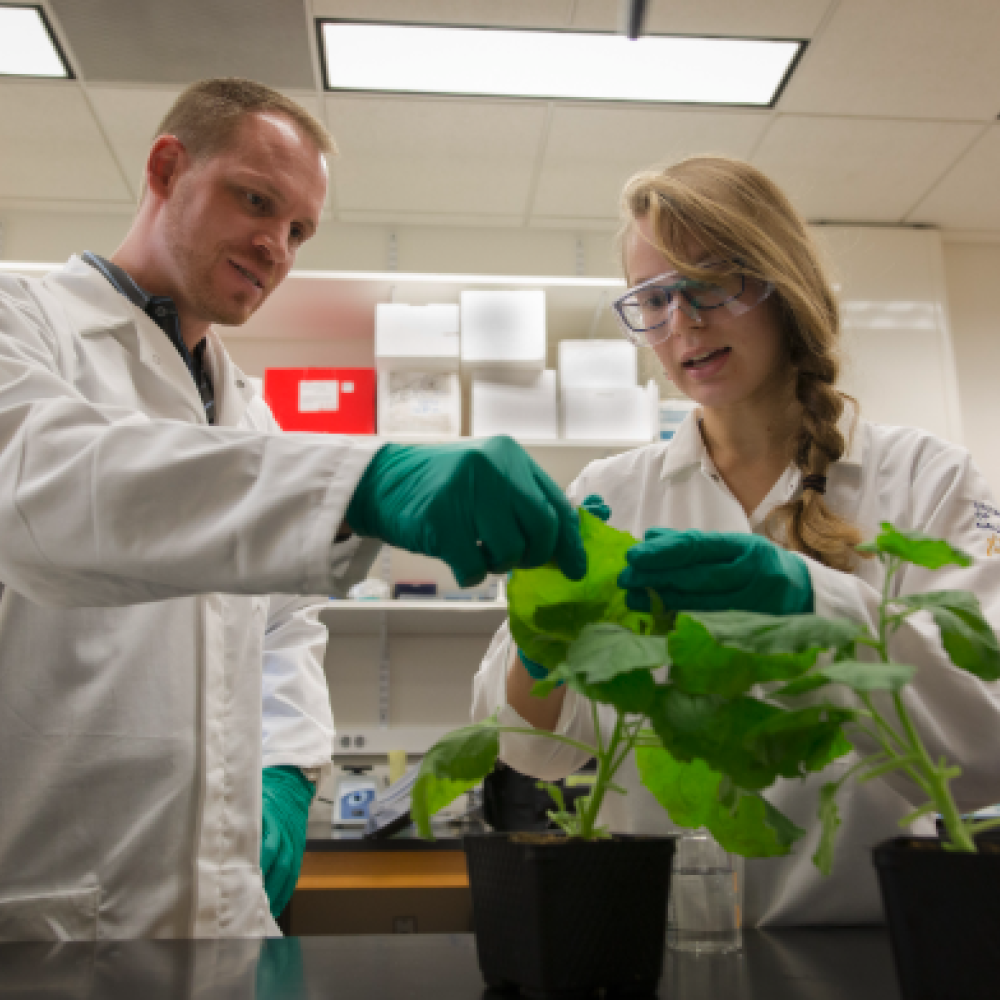
Our research seeks to uncover how plants generate and deploy bioactive terpenoids. By integrating functional genomics, metabolomics, biochemistry, structural biology, and genetics, we decode the biosynthetic pathways and evolutionary mechanisms underlying terpenoid metabolism in food, medicinal, and bioenergy crops. Through these discoveries, we aim to develop nature-inspired strategies for engineering more resilient and sustainable agricultural systems and renewable bioproducts that help reduce dependence on fossil-derived chemicals. Ultimately, our work bridges fundamental plant biochemistry with real-world solutions for a healthier planet, resilient food systems, and a growing bioeconomy.

Funding Support & Research Partners
